Key takeaways
- Dial quality punches well above the price point: Owners consistently report that Longines dials look better in person than in photos, applied indices, sunburst textures, and blued hands are standard at $1,500–$2,500.
- Movements are in-house and COSC-certified: Independent third-party accuracy certification at this price is not universal among Swiss competitors. Longines offers both an in-house calibre and COSC certification.
- The US official service centre has documented problems: Specific, named cases of watches returned with damage from Swatch Group US mean independent watchmakers are a safer servicing route for US buyers.
- Resale value is poor, buy it to wear it: Longines depreciates quickly on the secondary market and should not be purchased as a financial hedge.
- Brand recognition outside watch circles is essentially zero: The brand is respected inside the hobby and invisible outside it, if a reaction from colleagues or strangers matters, name that honestly before you buy.
A short history of Longines
Longines was founded in 1832 by Auguste Agassiz in Saint-Imier, Switzerland. That makes it one of the oldest continuously operating watch brands in the world, not one of the oldest with a gap in the middle. One of the oldest, full stop, with an unbroken name and an unbroken address.
In 1889, Longines registered the winged hourglass logo, one of the oldest trademarks in watchmaking. When you see it on a dial today, it connects to the same brand that was stamping it onto movements before most modern countries existed.
The brand spent much of the twentieth century doing what Swiss watchmakers did best: building precise, reliable movements for people who needed accuracy. Longines supplied movements to aviation pioneers, timed Olympic events, and built a reputation as the watchmaker serious professionals trusted. That heritage is documented in the archives, not invented for a press release.
In 1960, Longines produced the Super Compressor dive watch. Its twin-crown design, a second crown that controlled an internal rotating bezel, was genuinely innovative. That watch is the direct ancestor of the modern Legend Diver. When Longines revived the design, they had the original to draw from.
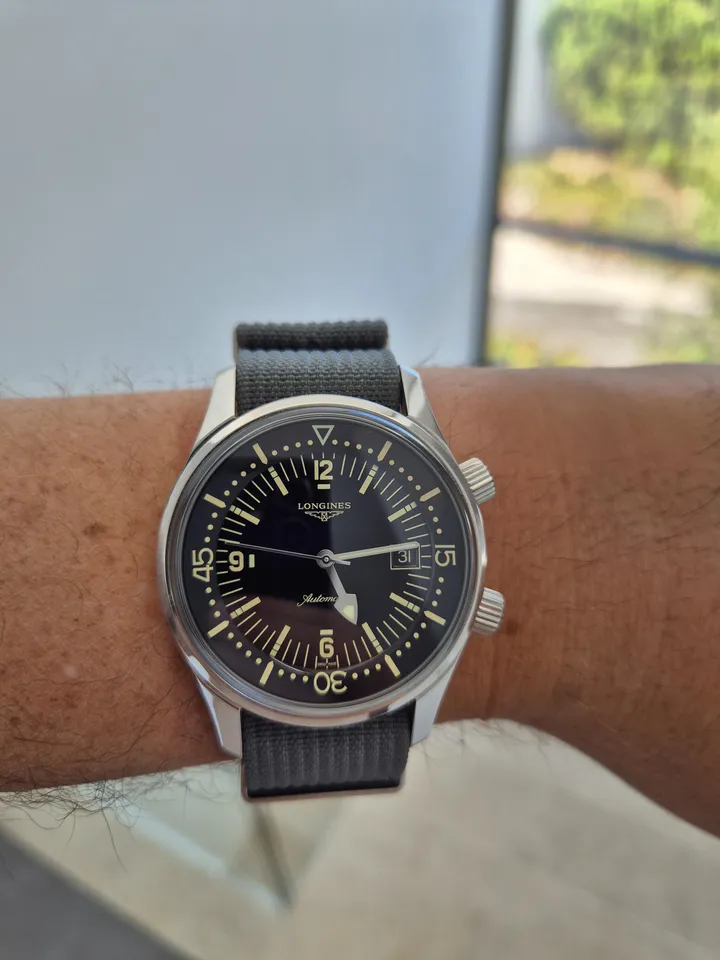
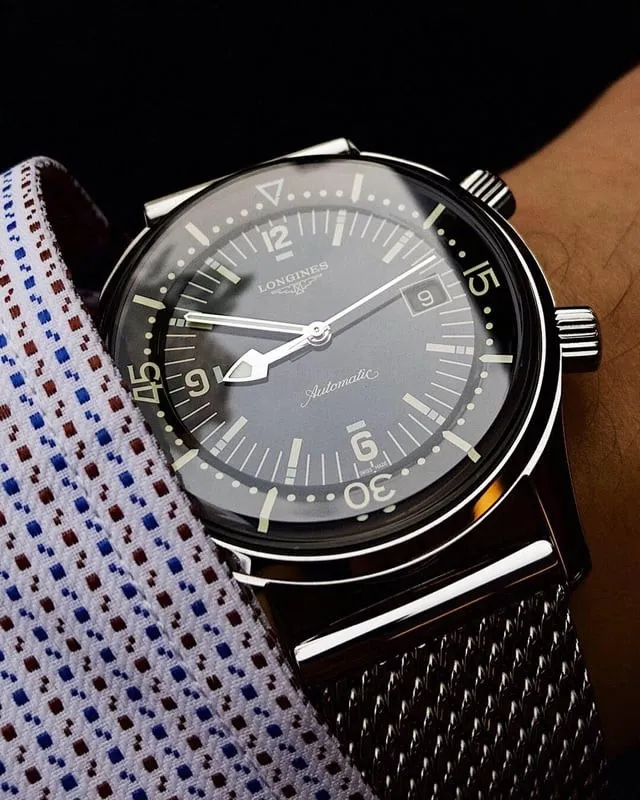 The internal bezel is operated by the second crown at 4 o’clock, a direct carry-over from the 1960 Super Compressor design. Credit: u/grievor88
By 2024, something had shifted in the first-buyer conversation. Longines was no longer the brand you settled for when you couldn’t afford Omega. It was the brand that kept coming up when buyers asked whether the Omega or Tudor premium was actually justified. Reddit threads comparing the Spirit to the Tudor Ranger, or the HydroConquest to the Rolex Submariner, were generating real debate. The question being asked was a good one: at what point do you pay for the watch, and at what point do you pay for the name?
Longines sits at the point where that question gets uncomfortable for the more expensive brands.
What buyers love about Longines
The most consistent thing owners say about Longines is that the dials look better in person than in photos. That is not a small thing. Most watches go the other way.
Dial finishing across the range punches well above the price. Applied indices, sunburst textures, sector dials with thermally blued hands, these are details you expect to pay significantly more for. At $1,500–$2,500, Longines delivers them consistently. Multiple buyers who walked into an AD intending to buy a Tudor or Omega describe trying on a Longines and finding the dial quality comparable or better, at a lower price. One buyer went in with his eye on a Tudor Ranger 36mm, tried the Spirit, and left with the Longines after the AD offered 10% off without being asked.
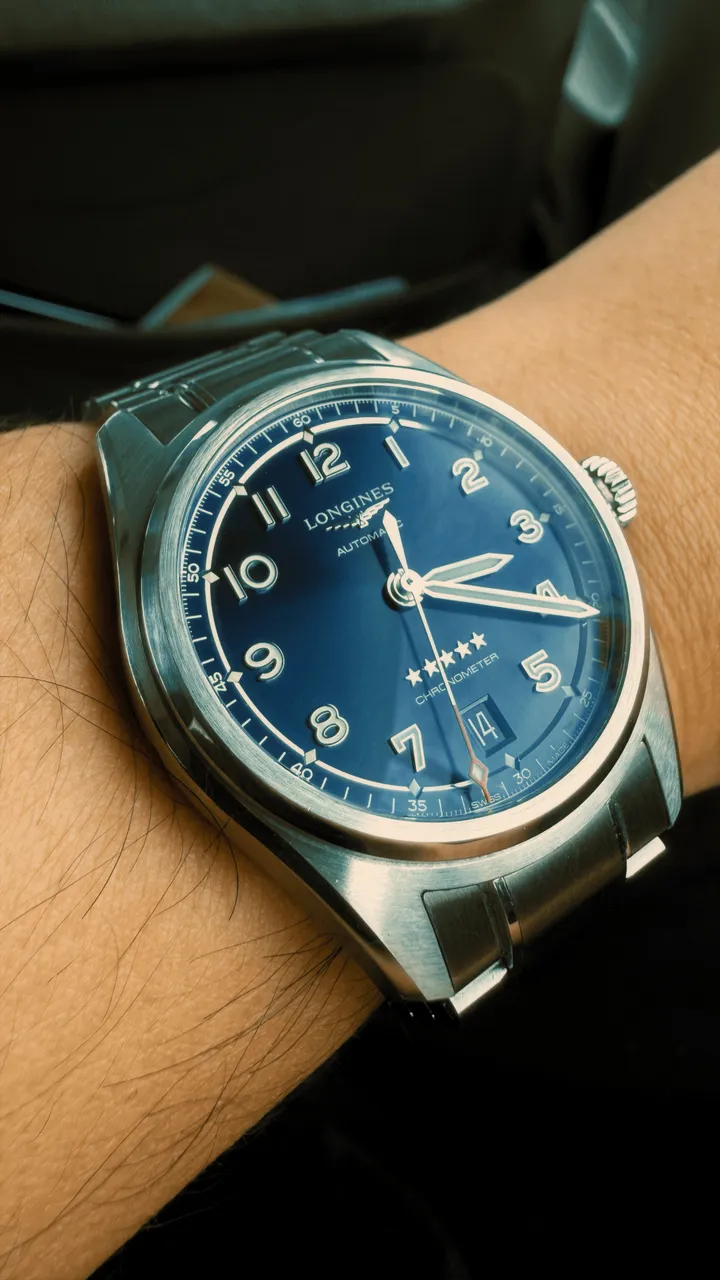
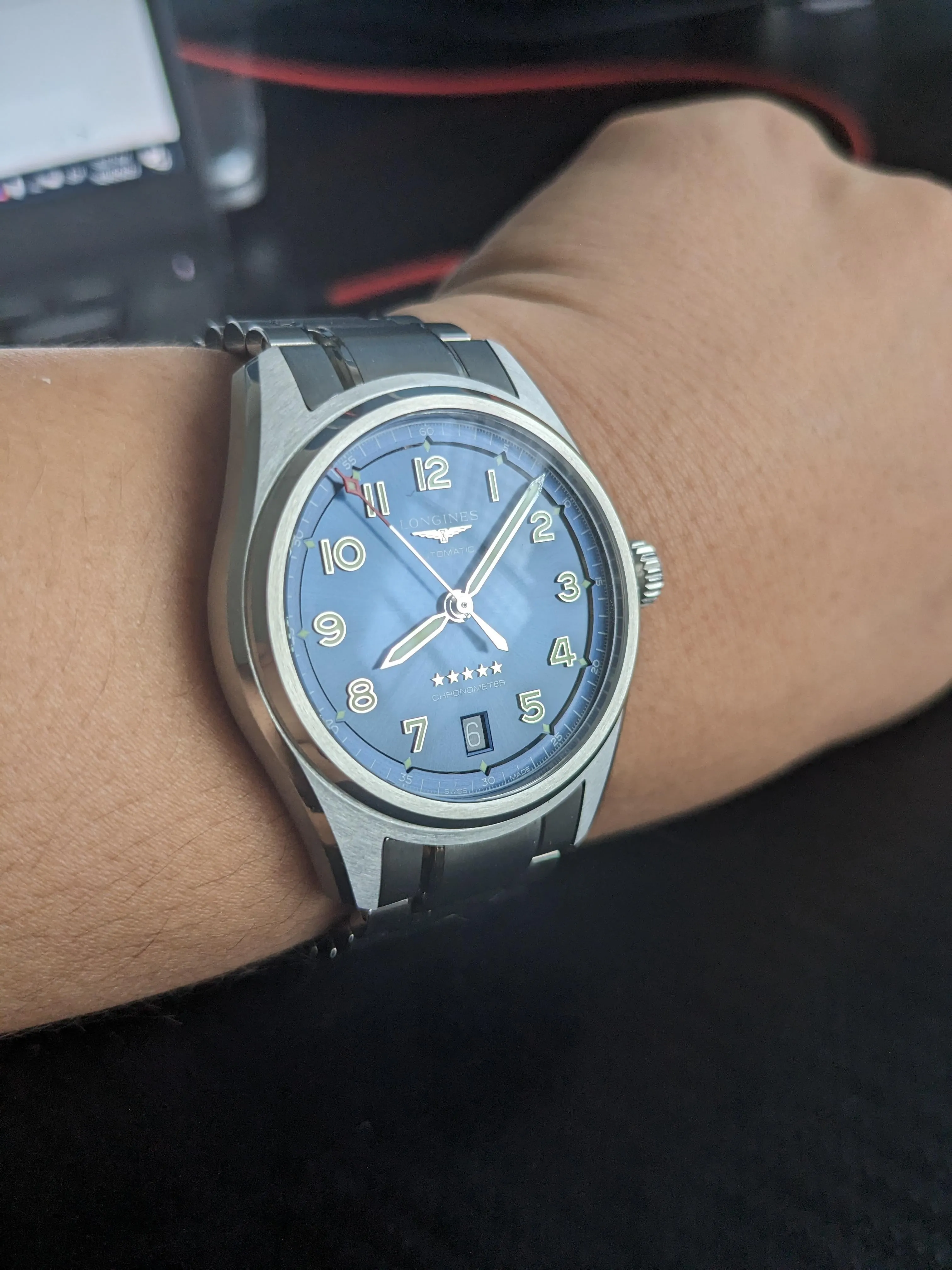 The Spirit’s applied indices and sunburst dial are standard at $1,500-$2,500. Most watches at this price use printed indices. Credit: u/strikermikepty
The movements are genuine in-house calibres, COSC-certified for accuracy. COSC certification means the movement has been independently tested to run within -4/+6 seconds per day. That is a third-party standard, not a marketing claim. At this price, not every competitor offers it, and not every competitor uses an in-house movement. Longines does both.
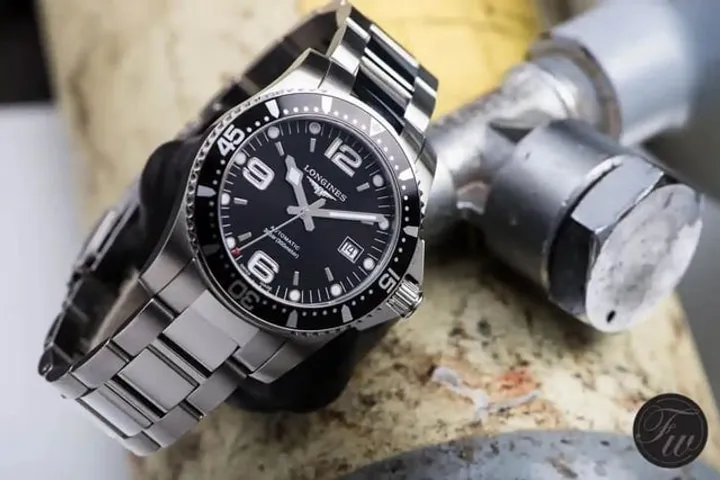
The value comparison against Swiss competitors is real and specific. The HydroConquest comes in at around $2,200 with an in-house movement, ceramic bezel, and 300m water resistance, roughly 20% of what a Rolex Submariner retails for. The Spirit competes directly with the Tudor Ranger on specs and, by many accounts, beats it on dial quality at a lower price. These are comparisons buyers are making in real time at authorised dealers.
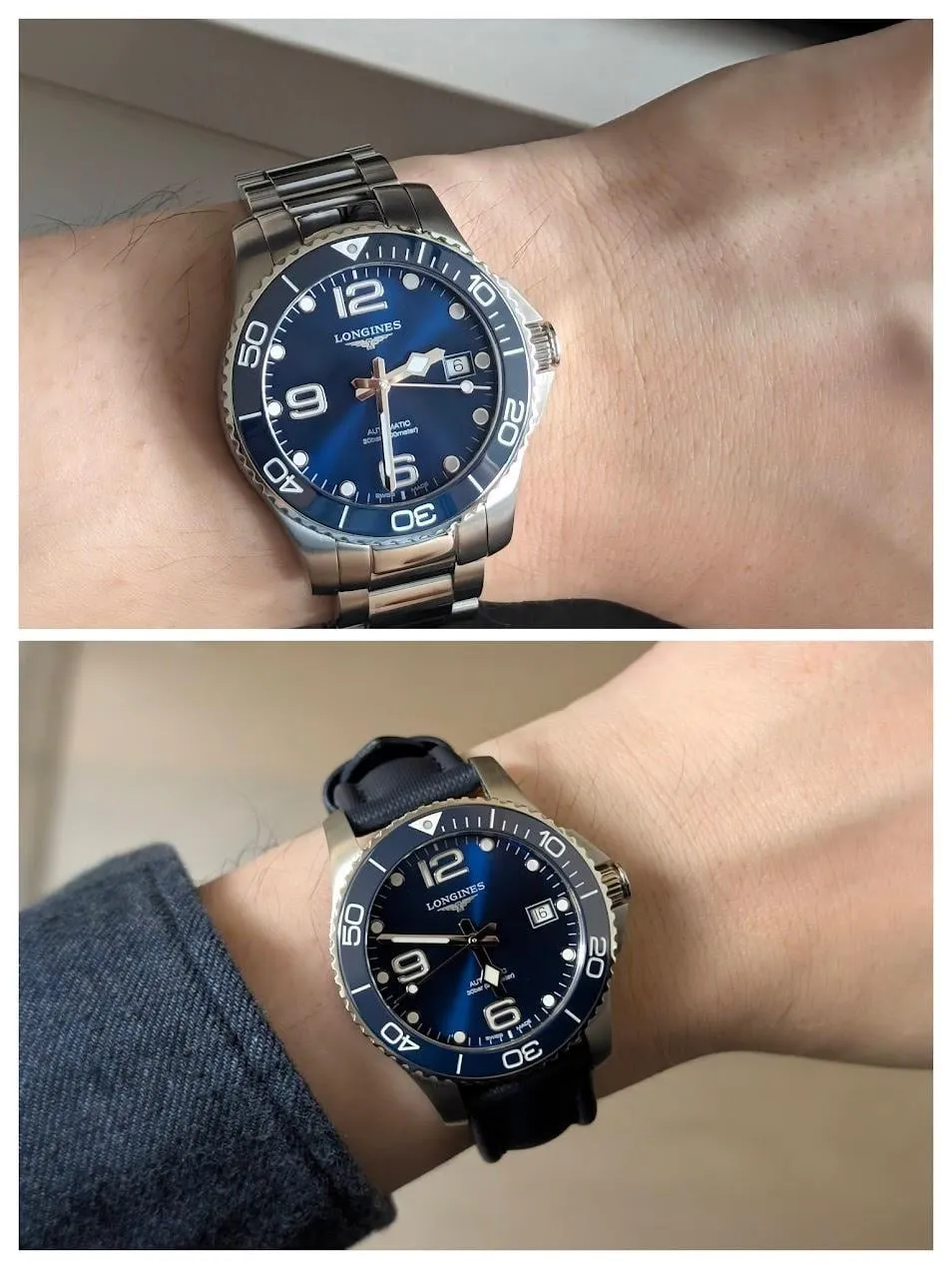 The HydroConquest’s ceramic bezel and 300m rating are the same headline specs as the Submariner. The movement is in-house and COSC-certified. Credit: u/kevincxz21
Longines also has genuine heritage. The brand’s history in aviation timing, Olympic sports timing, and precision instrument-making is documented and specific. For a milestone buyer who wants a watch with a real story behind it, that history is there.
The range is genuinely versatile. The Spirit works on a NATO, a leather strap, or a bracelet. The Conquest handles office and weekend without changing. The Legend Diver dresses up on a bracelet and goes casual on a NATO. Owners use the word GADA, go anywhere, do anything, and mean it.
What buyers criticise
The most important criticism to understand before you buy is the Swatch Group US service situation. Longines is owned by Swatch Group. In the United States, Swatch Group US handles official servicing. There are documented cases of watches returned from the official service centre with damage that wasn’t there when they went in. One owner sent in a 42mm Legend Diver and received it back with severe damage to the internal rotating bezel and caseback. This is not a rumour. It is a specific, documented complaint about a named model. If you are in the US and you buy a Longines, know that independent watchmakers are a viable alternative to the official service centre, and that the official route carries documented risk.
The second criticism is brand recognition. Longines is essentially invisible to people who don’t follow watches. If you want a watch that earns a reaction from colleagues, family, or strangers, Longines will not deliver that. One owner’s wife put it plainly: unless someone holds your hand, barely anyone will notice it. That is not a flaw in the watch. It is a fact about the brand’s public profile. If recognition matters to you, name that honestly before you buy.
Resale value is poor. Longines depreciates quickly on the secondary market. It will not hold its price the way a Rolex Submariner or even a Tudor Black Bay does. If you buy a Longines and sell it in five years, you will recover a fraction of what you paid. Buy it because you want to wear it, not because you expect to recover your money.
Some buyers find that Longines watches look better in photos and videos than they do in person. The word that comes up is “clunky.” This is not universal, many owners describe the opposite, that the watch looks better in hand than on screen. But it is consistent enough to be worth naming. Try the watch on before you buy if you can. The AD network is limited, which makes that harder than it should be. If you are buying online or grey market without handling the watch first, you are taking a real risk on fit and feel, and adding a layer of uncertainty that a stronger retail presence would eliminate.
Who Longines suits, and who it doesn’t
Longines makes the most sense for a specific kind of buyer. You want genuine Swiss craftsmanship. You want an in-house, COSC-certified movement. You want dial finishing that holds up against watches costing twice as much. And you are not willing to pay the Omega or Rolex premium for the name on the dial when the watch underneath is comparable or better.
That buyer exists, and Longines is the right answer for them.
The milestone context fits well here too. If you are marking a promotion, a significant birthday, or a personal achievement, Longines has the heritage and the quality to carry that weight. The watch will still be running in twenty years. The sector dial on the Heritage Classic, the domed crystal on the Legend Diver, the applied indices on the Spirit, these are things you will still notice in a decade. They are not novelties.
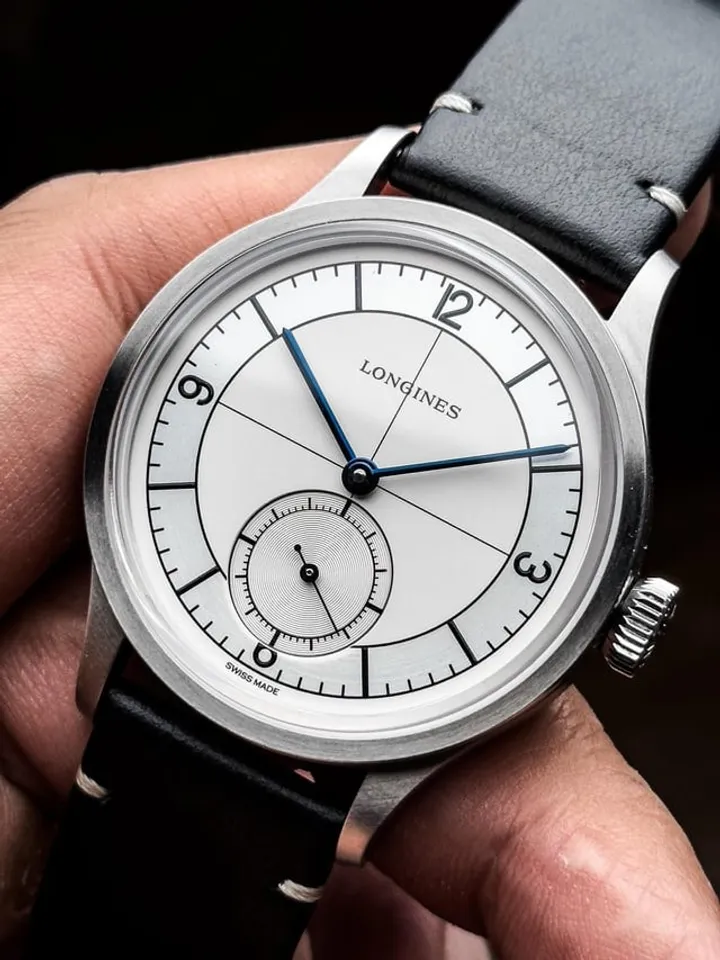
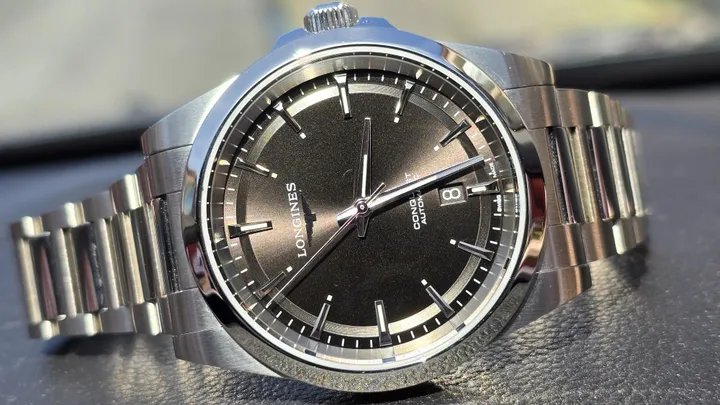
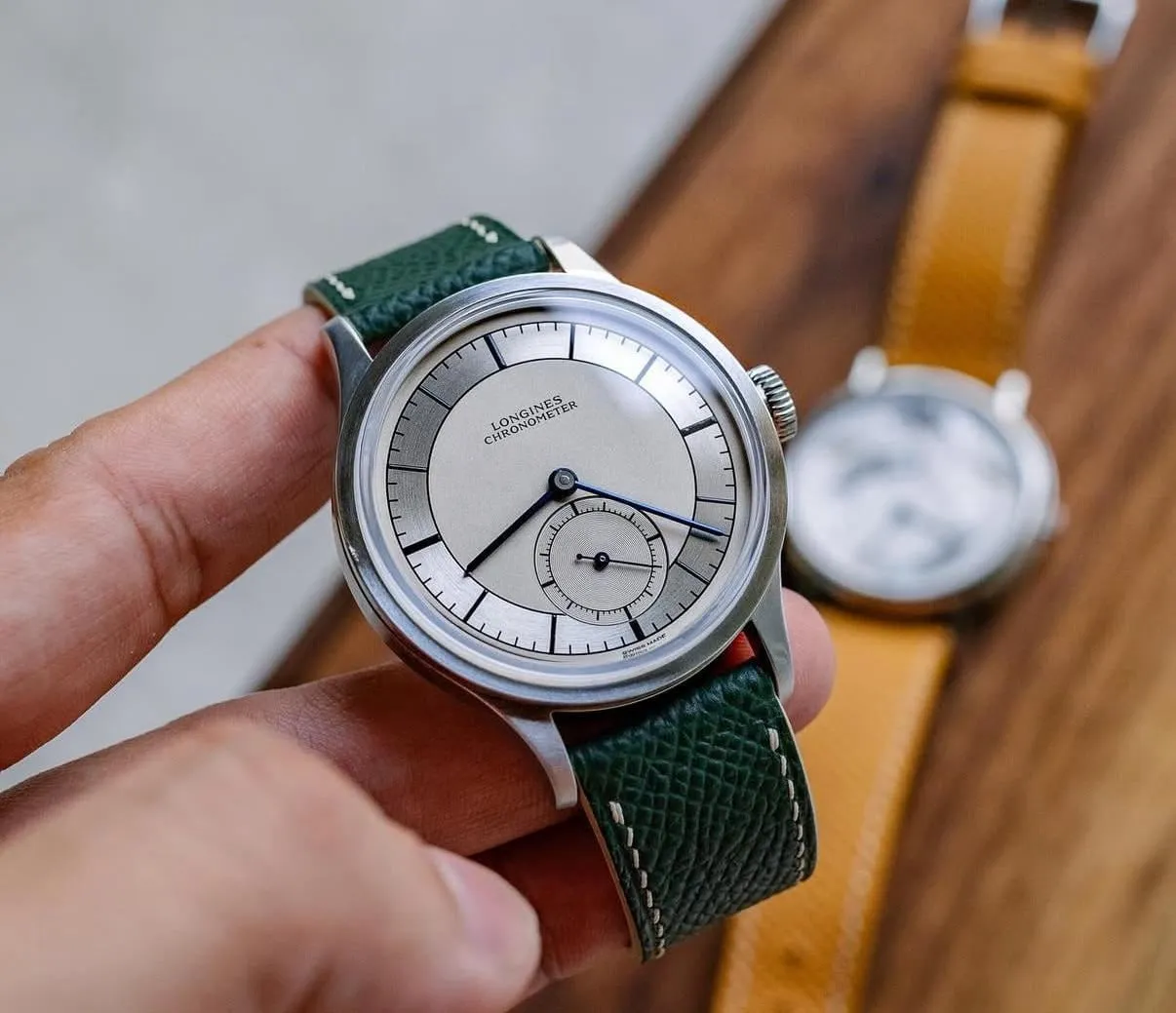 The Heritage Classic’s blued hands shift colour under different light. It is one of the few things in watchmaking that photographs consistently understate. Credit: u/connorsusername
The daily-wear case is strong. Longines watches are built to be worn. Owners describe wearing them to the office, on weekends, on holidays, and to weddings. The movements are accurate and reliable. If you want a watch you will actually put on every morning, Longines earns that role.
Longines does not suit buyers who primarily want brand recognition. The brand is respected inside the watch community and invisible outside it. That gap is real and it is not closing.
It does not suit buyers who want resale value. The data does not support Longines as a financial hedge.
It does not suit buyers who need the official US service network to be reliable. The documented problems with Swatch Group US are specific enough to be a genuine deterrent if you are not comfortable using an independent watchmaker for future servicing.
A word on the three flagship models. The Spirit, the Master Collection, and the Legend Diver are the watches that get the most attention. All three are genuinely good. But none of them are straightforward first-watch recommendations for every buyer.
The Spirit’s lug-to-lug is long. If your wrist is under 16 cm, it may float uncomfortably. Try it on.
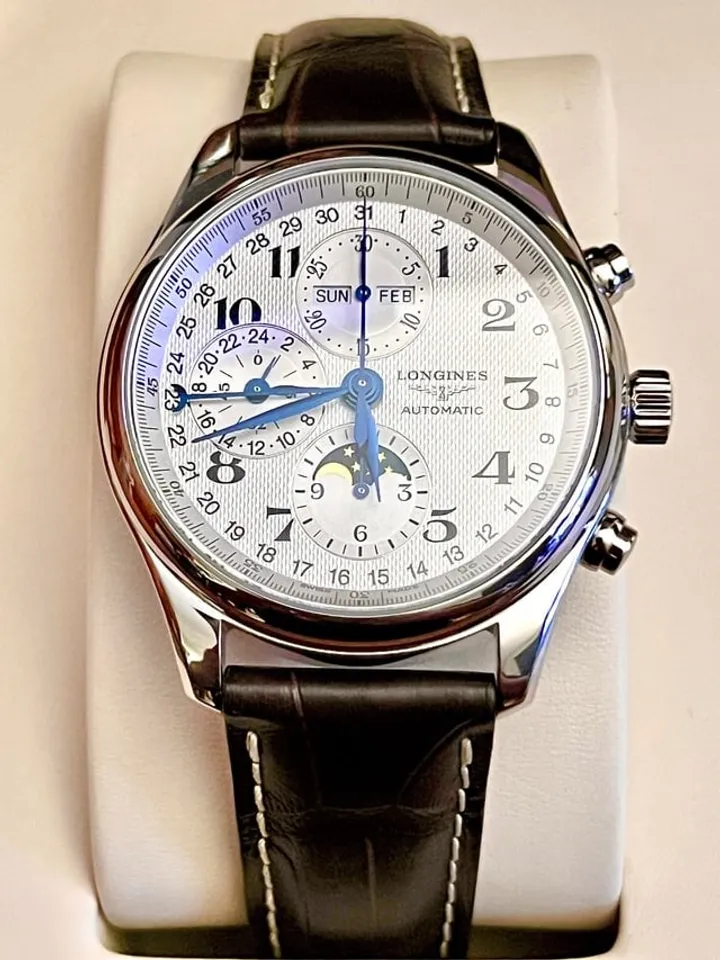
The Master Collection’s moonphase and triple-calendar variants are beautiful and genuinely hard to read quickly. If you glance at your watch in meetings, a complication-heavy dial will frustrate you. The 42mm versions have a 49mm lug-to-lug, which will overhang badly on smaller wrists. The 38.5mm is the safer size.
The Legend Diver is polished and dressy for a dive watch. If you want a matte-finish tool watch for daily abuse, it will feel wrong. If you are comparing it to a Tudor Black Bay on movement prestige, the Tudor’s in-house calibre has a stronger enthusiast reputation.
For a first-time buyer who wants to start somewhere clear, the Heritage Classic and the Conquest are the less complicated entry points. The Heritage Classic is a dress watch for someone who will actually wear a dress watch. The Conquest is a daily driver that competes directly with the Rolex Oyster Perpetual on value and, by multiple accounts, wins.
Neither of those watches will impress people who don’t know watches. Both of them will reward you every time you look at your wrist. For a first purchase, that is the right trade-off to make.